AI in Practice

Week 43W43, updated for recording on 26 October 2026

Everyone is building you a business brain. Which part should you own?

Open models show which work can stay on your own computer or VPS. PHP2Shell shows why your business brain should know what runs your websites and whether urgent security fixes are actually in place. Alongside Claude, ChatGPT and Google's tools, the question remains which parts of your business brain to own, which to rent, and how to check that they work.

Download .md One Markdown file with instructions at the top. Put it in your own business brain and it will tell you what to test and what to adapt.

01 / 06

Open models in October 2026: how far behind, and what it takes to run them

Meta, DeepSeek, Alibaba and othersRecap

Two releases this week: Meta's Muse Spark Open on 15 October (816B parameters, 42B active) and a new DeepSeek V4.1 Flash checkpoint on 17 October (MIT licence). On the Artificial Analysis index the best open models now score 45 to 46. The best closed model scores 58.

How far behind is that? Epoch AI measured an average lag of four months for the best open model, six on a stricter test (29 May). Other measurements reach 8 to 10 months on private benchmarks. The models that fit on one desk are further behind: Qwen3.8-27B scores 34 on the same index.

My view: Arete AIOS will run on a local computer or a VPS with a local model, and some tasks will still go to Claude or ChatGPT because they are smarter today. I estimate local models are three to eight months behind. The table shows what each model needs and which closed model it roughly matches.

Watch from 00:25 ↗
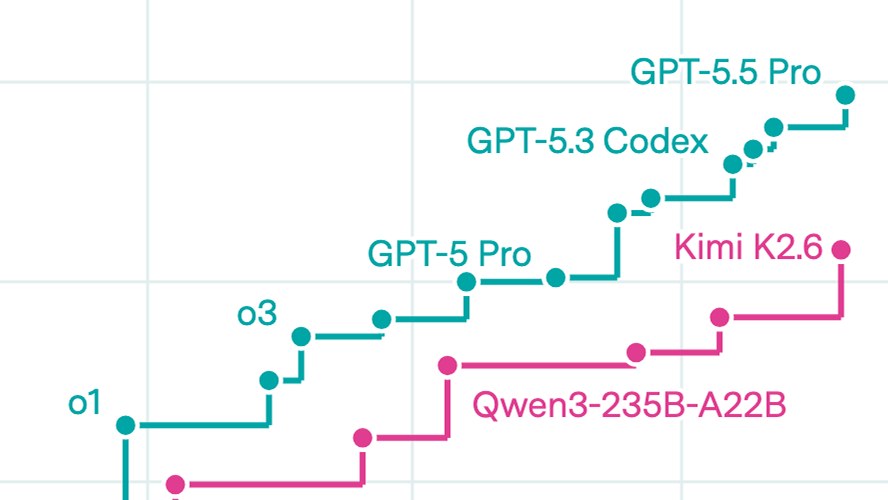
Epoch AI chart of capability over time for the best closed and the best open models
Epoch AI · open vs closed gap, 29 May ↗Epoch AI's chart, published 29 May 2026: the best closed models (teal) and the best open models (pink) over time. The full chart is below.
Practical usageFor business brain builders · 1 prompt to copy · 7 reference examples · 7 tables · 4 steps · not tested yet

How this affects business brain builders

Route by task: private, repetitive work to a local model, hard reasoning to a frontier model, and mask personal data before anything leaves your machine.

Examples, demos and evidence

Each example names its source and whose work it shows. Open the source for the full context.

Local and cloud models sharing the work

Alex Ziskind, 20 October 2026, 12:28. A hybrid setup that keeps private records local.

Alex Ziskind · YouTube ↗
The likeliest small-business model on two Macs

Elite Test Engineering, 28 September 2026, 29:11. Qwen3.8-27B at 4-bit on a 96 GB and a 256 GB Mac Studio.

Elite Test Engineering · YouTube ↗
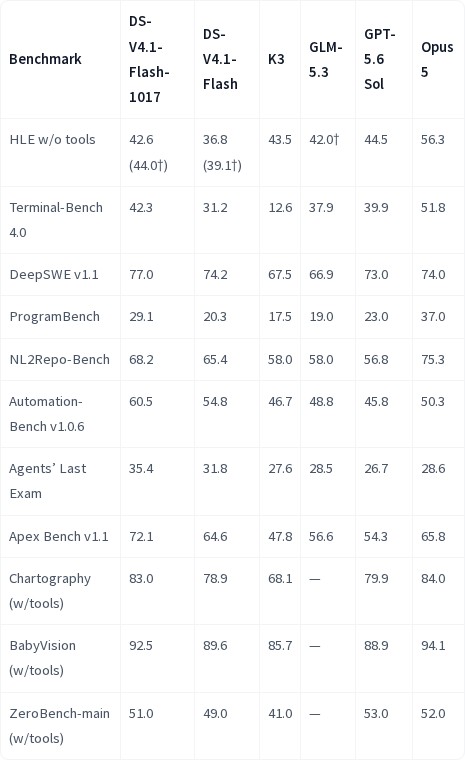
DeepSeek V4.1 Flash 1017 benchmark table against the previous Flash, Kimi K3, GLM-5.3, GPT-5.6 Sol and Claude Opus 5
DeepSeek's own table for the new checkpoint

Vendor measurements. Against Claude Opus 5 it is better on DeepSWE (77.0 vs 74.0), AutomationBench (60.5 vs 50.3) and Agents' Last Exam (35.4 vs 28.6), and behind on Humanity's Last Exam (42.6 vs 56.3), Terminal-Bench 4.0 (42.3 vs 51.8) and ProgramBench (29.1 vs 37.0). Artificial Analysis scores it 45.

DeepSeek · model card, 17 Oct ↗
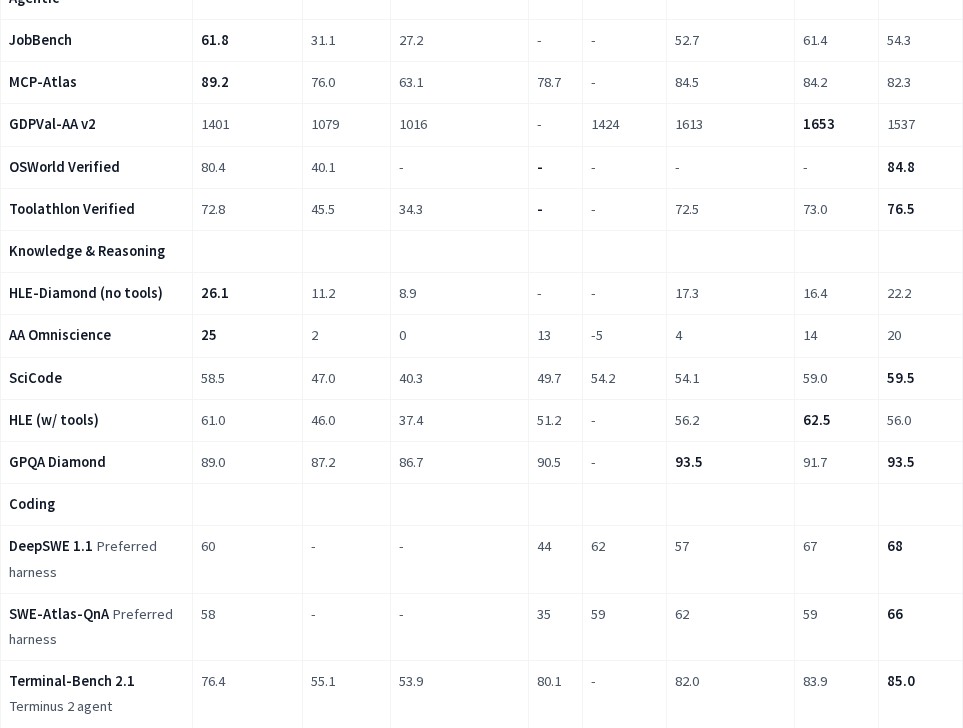
Muse Spark Open benchmark table against Inkling, Nemotron 3 Ultra, Beam, Mistral Large 4, Qwen3.8, GLM-5.3 and Kimi K3
Meta's own table for Muse Spark Open (excerpt)

Vendor measurements. It leads MCP-Atlas tool use (89.2, next best 84.5) but trails Beam, Qwen3.8, GLM-5.3 and Kimi K3 on Terminal-Bench 2.1 (76.4 against 80.1 to 85.0) and on DeepSWE against GLM-5.3 and Kimi K3 (60 against 67 and 68). Artificial Analysis scores it 39.

Meta · model card, 15 Oct ↗
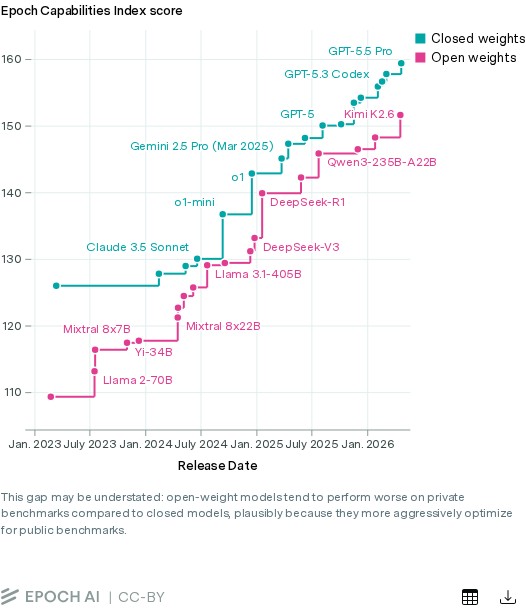
Epoch Capabilities Index over time for the best closed-weight and open-weight models
The full Epoch AI chart

Epoch AI: since January 2026 the most capable open models have lagged the frontier by an average of four months, a gap of 8 index points. Epoch says the gap may be understated because open models do worse on private benchmarks.

Epoch AI · data insight, 29 May ↗
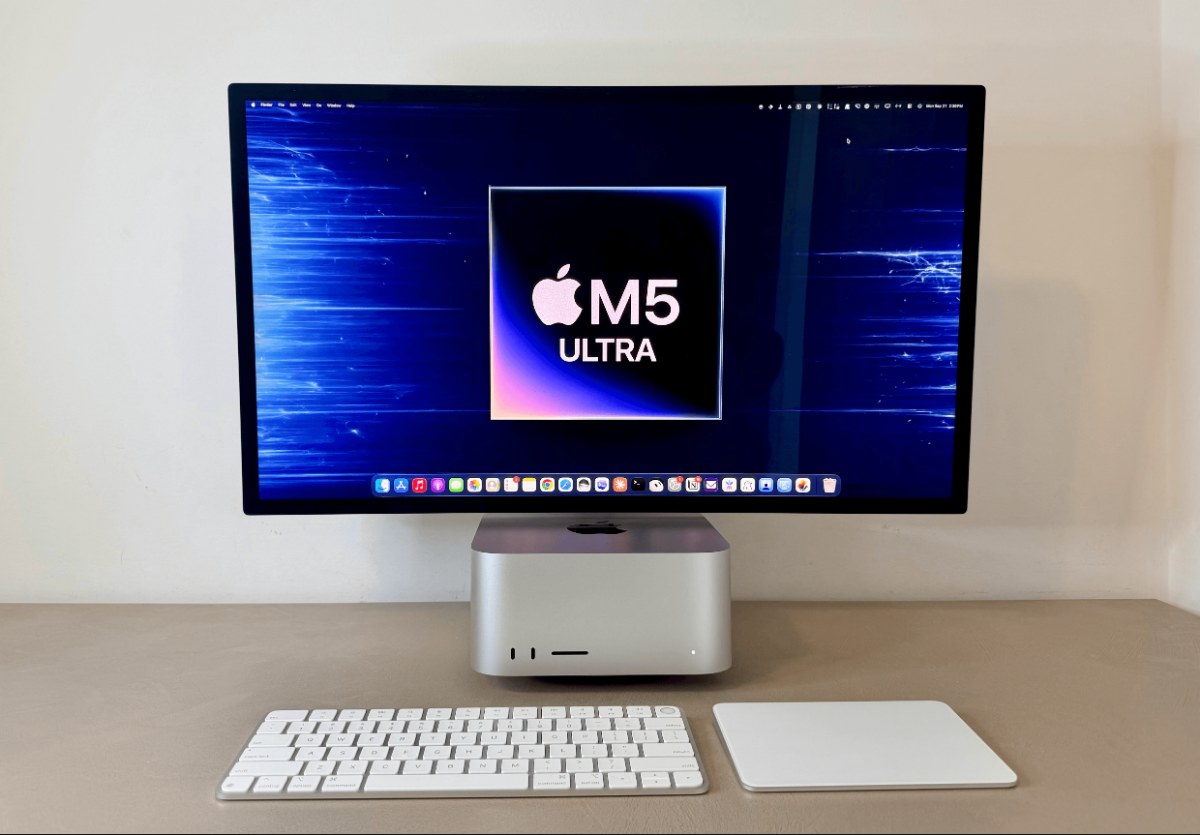
MacStories review image: M5 Ultra Mac Studio, the dream Mac for local AI agents
99 days of local agents on one Mac

Federico Viticci ran local agents around the clock for 99 days over 310 documents for his iOS review, on an M5 Ultra Mac Studio, with no API costs. His daily assistant is Hermes Agent with Qwen3.8-Flash-Next. He calls the setup fiddly and bleeding edge.

MacStories · 21 Sep ↗
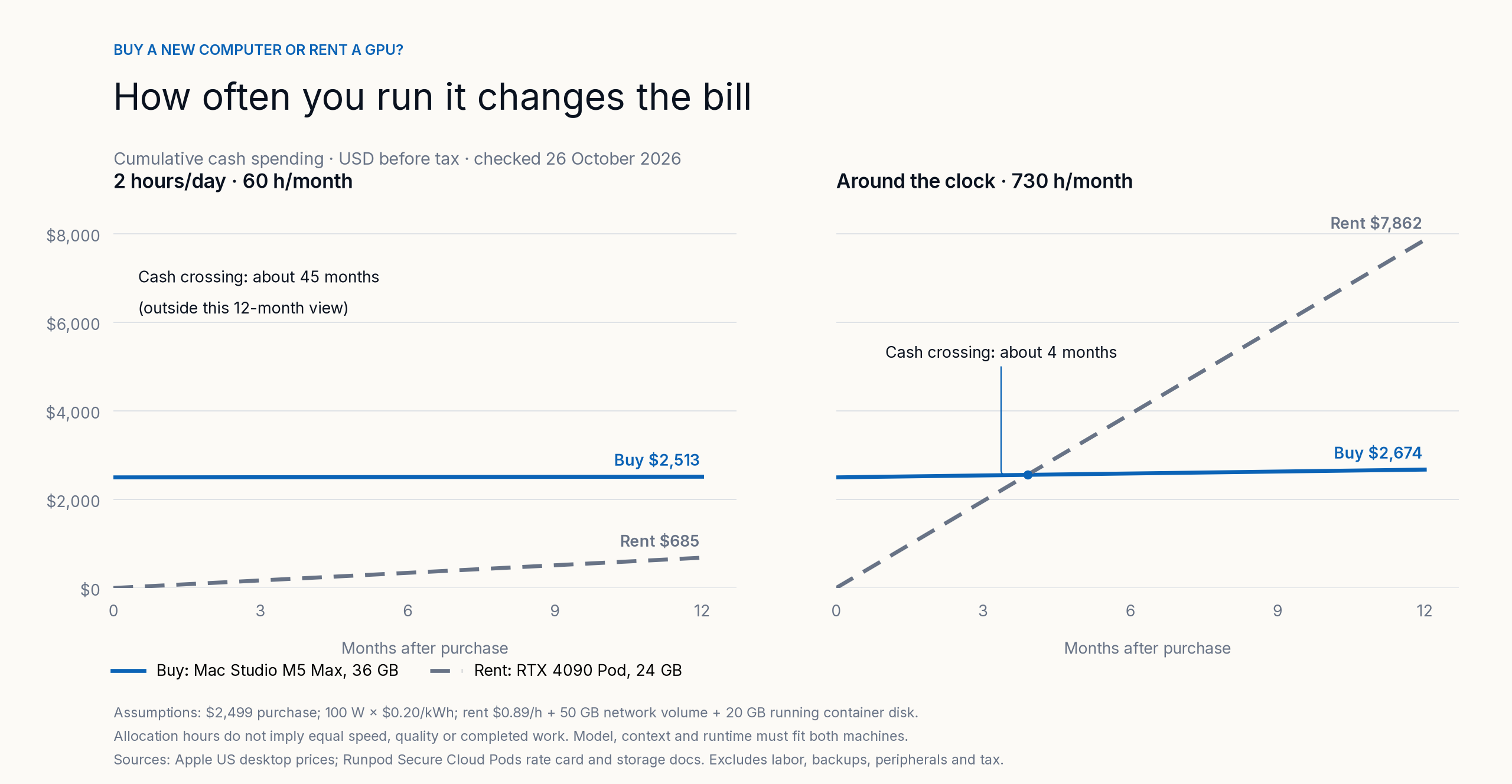
Two cumulative cash-cost scenarios over 12 months: at 60 rental hours per month the computer costs more throughout the year; at 730 hours per month the rental cost passes the purchase plus electricity near month four. This is allocation-cost arithmetic, not a performance benchmark.
Buy a computer or rent a GPU: the cash-cost chart

Our scenario calculation, checked 26 October. A newly bought $2,499 Mac Studio M5 Max versus a rented RTX 4090: 60 allocated hours/month or 730. The cash lines cross at about 45 months and 4 months respectively, assuming the same schedule continues. These are different machines; no equal speed, model quality or completed-work claim is made. The chosen model and context must fit both. Click the chart to open it at full size.

Arete AIOS · full-size calculation chart, 26 Oct ↗

Checked 22 Oct 2026: licences differ. MIT: DeepSeek, MiMo, GLM-5.3-Flash. Apache 2.0: Qwen3.8-27B, Muse Glimmer, Gemma 4. Custom licences with extra terms for large commercial services: Kimi K3, Muse Spark Open, GLM-5.3. Muse Spark Open also requires a Built with Muse Spark Open notice. Hardware prices are list or shop prices found on 22 Oct.

Not tested yet
Which tasks can run locally? (any business brain)
List the recurring tasks in my business system. For each task, mark: does it touch personal or client data, does it need hard reasoning, and how often does it run. Then propose which tasks a local model on my own computer or VPS should do, which should go to a frontier model, and what must be masked before anything leaves my machine.
  1. List the recurring tasks in your business system with the prompt above.
  2. Start local with one private, repetitive task such as document summaries. Qwen3.8-27B on a 128 GB Mac or one RTX 5090 is the realistic single-machine option today.
  3. Set reasoning to low or medium for routine work, and do not compress models below 4-bit.
  4. Keep planning and complex tool work on Claude or ChatGPT, and mask personal data before it leaves your machine.
Model and releaseSize (total / active)Runs at 15+ tokens/s onHardware costAA score and closed model at the same scoreUsers say
DeepSeek V4.1 Flash 1017, 17 Oct552B / 16B512 GB Mac Studio: 20 tokens/s at 4-bitAbove $10,00045, GPT-6 Astra (low) 46Biggest Hacker News thread; local support still immature
MiMo-V2.6-Pro (Xiaomi), 21 Sep1.02T / 42BServer only, about 580 GB at 4-bitNot found46, GPT-6 Astra (low) 46No user reports found
GLM-5.3 (Z.ai), 28 Aug753B / 40B512 GB Mac at 4-bit; speed not measuredAbove $10,00045; vendor: beats Opus 4.8 on Terminal-Bench 2.1Well ahead of Muse
Kimi K3 (Moonshot), 27 Jul2.8T / 104BFour 512 GB Macs: about 14.7 tokens/s4 x above $10,00044, Claude Haiku 5.5 (max) 43Excellent, impractical locally
Muse Spark Open (Meta), 15 Oct816B / 42BTwo M5 Ultra Macs: 25 tokens/sTwo machines above $10,000 each39, GPT-6 Luna (max) 38Far behind DeepSeek and GLM
GLM-5.3-Flash (Z.ai), 26 Aug320B / 18B256 GB M5 Ultra: 41 tokens/sAbout $14,00042, GPT-5.6 Terra (max) 42Loops when compressed to 2-bit
Qwen3.8-Flash-Next (Alibaba), 26 Aug125B / 6BM5 Ultra: 108 tokens/s; DGX Spark: 28$5,000 to $14,00040, Gemini 3.8 Flash (medium)Fast; gaps in forced tool calls
Qwen3.8-27B (Alibaba), 14 Aug27B denseRTX 5090 at 4-bit: 59 tokens/s; 128 GB MacBook Pro: 33 to 37RTX 5090: $1,999 list, over EUR 5,000 in EU shops34, Claude Haiku 5.5 (medium) 34Trusted for routine work; overthinks at default settings
Muse Glimmer (Meta), 10 Aug30B denseOne consumer GPU, about 18 GB at 4-bit; not measuredOne GPU35 on the August indexGood with tools; high hallucination rate
Gemma 4 (Google), 2 AprUp to 31BSmall version: 31 tokens/s on a 16 GB Mac miniEntry Mac or GPUBelow 25Crashes reported under heavy load

How popular open models are

Downloads and token share are not the same as business adoption.

SourceFindingWhen
OpenRouter, via BloombergUS models' share of tokens fell from about 70% to about 30%; DeepSeek is the largest provider at 16.3%Jun 2025 to Jun 2026
Vercel AI GatewayOpen models carried 29% of tokens, up from 11% in April, but under 4% of spendJun 2026
Hugging FaceQwen models downloaded 2,045 million times; llama.cpp-format repositories grew 464%Jan to Jul 2026
Mozilla and SlashData, 1,494 developers79% use open models; 51% run them in production, against 63% for closed models2026 survey

What stays local, what goes to the frontier

TaskWhereWhy
Search across your own filesLocalSmall embedding models are enough
Extract and cross-reference private documentsLocalThe data stays with you
Digests, summaries and first draftsLocalHigh volume, low risk
Routine coding sub-tasksLocalUsers report it works
Planning and hard reasoningFrontierOpen models still lag here
Long agentic work with many toolsFrontierTool-calling is less reliable

What if I buy a new computer now?

Checked 26 Oct 2026. Complete computer prices from Apple US, before tax, without monitor or peripherals. These are representative purchase tiers, not a claim that Macs are the only option. The monthly column is purchase price / 36 plus assumed 24/7 electricity at $0.20/kWh and 35/100/180 W respectively. It is an ownership-cost illustration, not a finance or lease payment; EU shop prices and VAT differ. Model sizes below are memory-sizing examples at 4-bit, not measured performance on these configurations.

New computerMemory / rough model tierPay upfrontElectricity / month, 730 hPurchase / 36 + electricity / month
Mac mini M616 GB unified; small 7–8B models$899.00$5.11$30.08
Mac Studio M5 Max36 GB unified; 27B class$2,499.00$14.60$84.02
Mac Studio M5 Ultra96 GB unified; 70B class$5,499.00$26.28$179.03

Linux on a VPS: where is the model actually running?

A CPU VPS can run the agent, memory and scheduling while an API supplies the model; add the API bill below. Small models can also run on a CPU if they fit, but installing Linux or Ollama does not add GPU hardware. Hetzner's catalog price excludes IPv4 and VAT; its public CX23 page was marked unavailable. GPU rows use Runpod Secure Cloud on-demand Pods: no upfront hardware purchase, provider power included. Each total adds 50 GB standard network storage at $3.50/month and 20 GB container disk at $2/month prorated to running time, following the storage rules. GPU allocation must stop outside the 60-hour schedule; an idle running Pod still costs money. Capacity is not reserved.

Hosting optionMemory / roleCompute rate60 running h / month730 running h / month
CPU VPS: Hetzner CX232 vCPU, 4 GB RAM, no GPU; agent + API$6.49/month catalog$6.49 + model API$6.49 + model API
Runpod RTX A500024 GB GPU VRAM; speed differs$0.27/hour$19.86$202.60
Runpod RTX 409024 GB GPU VRAM; speed differs$0.89/hour$57.06$655.20

ChatGPT and Claude subscriptions: what the monthly price buys

Web USD prices checked 26 Oct. These buy included usage with limits, not a dedicated GPU or a guaranteed token quantity. ChatGPT Plus and Pro tiers; Claude pricing and Max details. Taxes and mobile prices may differ.

App planMonthly priceFor an agent or your own application
ChatGPT Plus$20General API usage is billed separately. Eligible participating tools can request permission to use the included Sign in with ChatGPT allowance.
ChatGPT Pro$100 / $200 / $500Three current tiers; usage allowances differ. Pro 500 includes Ultrafast. Do not treat the app plan as an unlimited API balance.
Claude Pro$20, or $200/yearInteractive app/Code allowance with limits; no monthly API credit.
Claude Max 5x / 20x$100 / $200App allowance plus claimable $100 / $200 monthly API credits after eligibility and Console linking; session and weekly limits apply.

Metered APIs: three monthly usage examples

A token is a piece of text, not a whole message. M means one million billable tokens; input and output are charged separately. Standard uncached text rates from OpenAI and Anthropic, checked 26 Oct. Short context; excludes batch/cache discounts, tool fees, regional surcharges and subscription credits. Include billable reasoning in output. The same token count does not mean the same result, speed or capability; it also does not tell us how many GPU hours a local model would need.

ModelPer 1M input / output1M in + 0.2M out / month10M in + 2M out / month100M in + 20M out / month
GPT-6 Luna$0.10 / $0.50$0.20$2.00$20.00
GPT-6.1 Sol$2.00 / $10.00$4.00$40.00$400.00
Claude Sonnet 5.5$2.00 / $10.00$4.00$40.00$400.00
Claude Opus 5.5$4.00 / $20.00$8.00$80.00$800.00

Which video should I watch first?

Start with Alex Ziskind's 12-minute hybrid workflow, then Elite Test Engineering's 29-minute comparison on two Macs. The first is about splitting work between local and cloud models; the second makes the hardware question concrete.

How is the closed model matched?

By equal score on the Artificial Analysis Intelligence Index v4.3.2 on 22 October. The pairing is my reading of their leaderboard, not theirs.

What about Latvian?

I found no independent 2026 test of these models in Latvian. Tilde's TildeOpen (30B) is trained on Latvian text, according to its makers (LSM, 26 Feb).

Where do the lag figures come from?

Epoch AI, 29 May: 4 months on average, 6 on a stricter test, up from 3 months in October 2025. Epoch by domain: 6 to 7 months in cyber security. Håvard Tveit Ihle, 28 May: 8 to 10 months on private benchmarks, 4 to 6 on public ones.

So which route makes financial sense?

My reading: start with a $20 app for personal interactive work within its limits, or a metered API for light automation. At 10M input plus 2M output tokens/month, GPT-6.1 Sol or Sonnet 5.5 is $40 before extras; Luna is $2. A new local computer becomes easier to justify for sustained compatible work, offline use or keeping data local. Rent a GPU when you need temporary compute or hardware you cannot buy. Measure your own task quality and actual runtime before choosing.

How should I read the buy-versus-rent chart?

It compares cash outlays: $2,499 paid at purchase plus electricity, against RTX 4090 allocation at $0.89/hour plus the stated disks. At 60 hours/month the first-year totals are about $2,513 to buy versus $685 to rent; at 730 hours/month, about $2,674 versus $7,862. The machines have different memory and speed. This is scenario arithmetic, not an inference benchmark or a promise of a four-month return. Labor, backups, networking, repairs, tax and resale value are excluded. The average 100 W draw is an assumption, not a measurement.

Do Claude Max API credits change the comparison?

Yes. Eligible Max subscribers can claim $100 or $200 of monthly API credits after seven days on the plan by linking a Console organization. A $40 Sonnet API example could use those credits instead of creating a separate $40 payment. Unused credits expire each cycle; they do not cover interactive Claude Code or extra usage in Claude/Cowork. Do not count the same credit twice when comparing routes.

Is there a published chart I can explore?

Yes: Runpod's GPU benchmark comparison lets you pick a model and compare measured speed, latency and cost per million output tokens. It is vendor-run; check the workload and pricing assumptions. Artificial Analysis compares capability, speed and price/cost per task across open and closed models. Neither is a complete cost-of-owning-a-computer calculation; our cash chart adds that separate question. Prices for the two illustrated Runpod cards matched the current rate card in the selected browser view.

What others are saying5 voices from MacStories, simonwillison.net, terminalbytes.com and Hacker News

Ran local agents around the clock for 99 days over 310 documents and found cloud APIs would have been too expensive for that always-on work. Says the setup is not for people who just want a $20 subscription.

Federico Viticci, MacStories · 21 Sep 2026 ↗
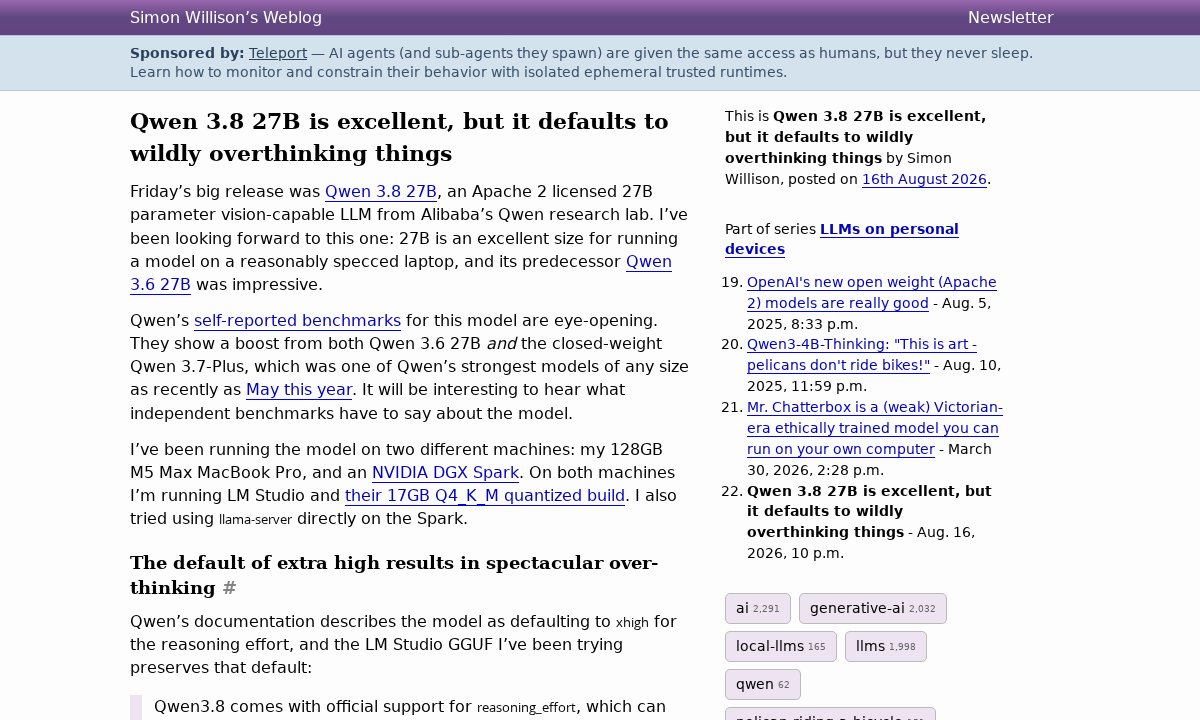
Simon Willison: Qwen 3.8 27B is excellent, but it defaults to wildly overthinking things

Calls Qwen3.8-27B excellent, but its default maximum reasoning spent 21 minutes on one drawing that took 137 seconds with reasoning off. Recommends ignoring that default.

Simon Willison · 16 Aug 2026 ↗
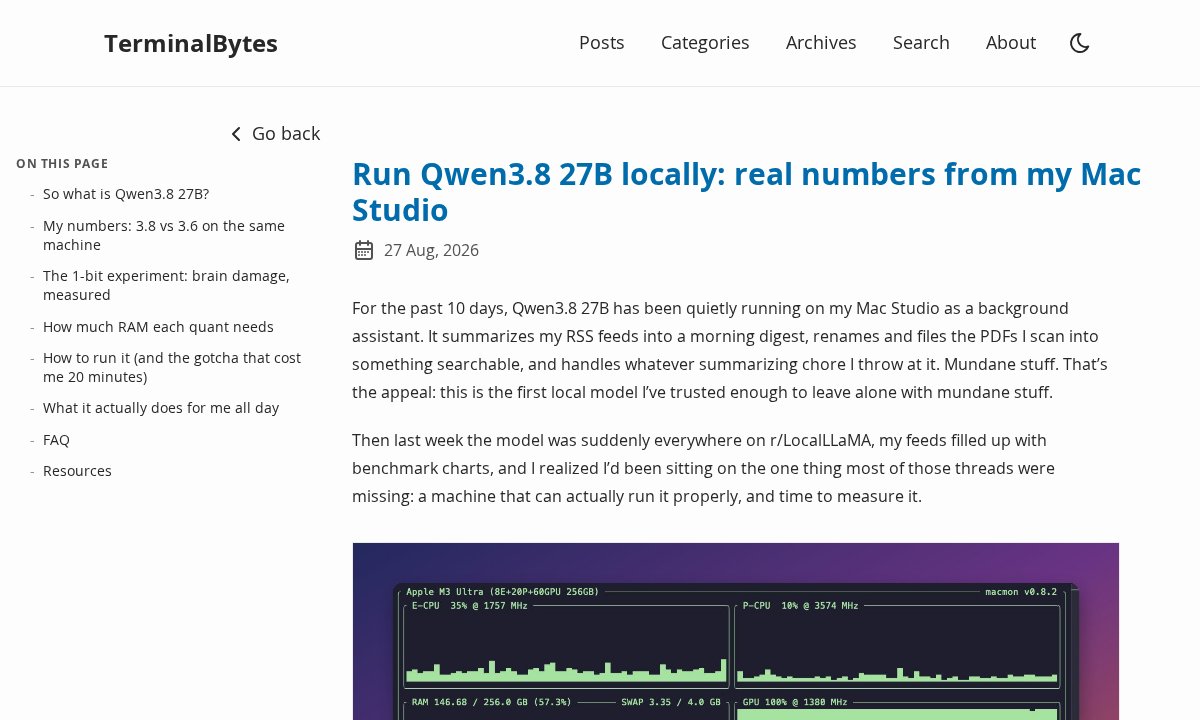
TerminalBytes: Run Qwen3.8 27B locally: real numbers from my Mac Studio

Uses Qwen3.8-27B for feed digests, renaming PDFs and summarising threads, and calls it the first local model they trust to run routine work unattended.

TerminalBytes · 27 Aug 2026 ↗

02 / 06

PHP2Shell: what happened, and what should your business check?

PHP project, researchers and security providersRecap

PHP2Shell names two critical bugs in PHP, the software underneath many websites. A crafted web request can reach unsafe memory handling and, under exploitable conditions, let an attacker run code without signing in. The fix belongs in PHP itself; updating a WordPress plugin alone does not solve it.

Emergency fixes arrived on 21 October. AWS observed attack attempts as early as 17 October; Cloudflare also saw attack traffic. A confirmed breach is a different claim: on 25 October, Unit 42 withdrew its attribution of a government intrusion to PHP2Shell.

AI helped researchers establish the flaws' impact. For a business owner, the useful question is which websites, hosted applications and admin tools actually use affected PHP, and whether the running service is patched. The revised prompt asks your business brain to check with its existing connections and report evidence.

Watch from 08:01 ↗
Original PHP security advisory heading, 21 October 2026
PHP project · 21 and 23 October advisories ↗The PHP project's original 21 October advisory. This recap was checked on 26 October, including the later corrections to breach reporting.
Practical usageFor business brain builders · 1 prompt to copy · 1 reference examples · comparison table · 4 steps · partly tested

How this affects business brain builders

Use your business brain's saved infrastructure knowledge and authorized read access to find affected services, verify their running software and turn evidence gaps into specific tasks.

Examples, demos and evidence

Each example names its source and whose work it shows. Open the source for the full context.

Original AWS Threat Intelligence article heading about PHP2Shell attempts before public disclosure
Attack attempts observed before disclosure

AWS reports attempts against its MadPot honeypots from 17 October, four days before public disclosure. Its current wording describes attempts and does not establish that these payloads compromised customer systems.

AWS Threat Intelligence · 21 Oct, checked 26 Oct ↗
Read PHP's advisories ↗

Checked 26 Oct 2026. Fixed upstream releases for the main flaws: PHP 8.5.12, 8.4.27, 8.3.36 and 8.2.35, or a vendor build with documented backports. Verify the web-serving runtime and all relevant workers, not just a package listing. The 23 October session advisory needs a separate applicability check. The prompt needs a business brain with a saved asset inventory and authorized read access to its hosting, deployment or logs; it cannot create missing access.

Partly tested
Check our actual PHP2Shell exposure (business brain with read access to its tools)
Check which parts of my business need action for the current PHP2Shell advisories. Use your available MCP tools, saved infrastructure inventory and the business website URLs you already know. Start the checks now with existing authorized read access.

1. Find our websites, self-hosted applications, hosting accounts and relevant connected services. Include containers, bundled PHP and administrative interfaces. Separate systems we maintain from services maintained by a provider. A list of MCP connections is a starting point, not the result.
2. Read the latest official PHP advisories and applicable vendor notices, including the separate 23 October session issue. For each relevant asset, use available hosting, deployment or runtime evidence to establish whether it serves web requests with PHP and whether the running build is fixed. An application's version, HTTPS, a 200 response or a PHP CLI version alone is not proof about the web workers. Verify vendor backports and rollout/restart evidence where applicable.
3. Inspect the relevant settings and available web/WAF, error or process logs through existing authorized tools. Where exposure makes it relevant, review available activity from 17 October 2026 onward and state the actual log coverage. Distinguish probes, blocked or failed attempts and evidence of a successful intrusion. Missing evidence does not prove either a breach or safety.
4. Classify each checked asset as Needs action, Verified patched, Verified not applicable, or Not verified, with the observation, source and check time. Do not classify an unknown provider backend as safe or vulnerable by guessing its technology.

Give me a short verdict, the three most important concrete next actions, and a compact asset/evidence/action/owner table. Complete every reachable read before asking for help. For a blocked check, name exactly which access or observation is missing and who can provide it. Ask one question at a time only when it is necessary to proceed. Do not stop at a document inventory or automatically draft a provider email.

Keep private evidence and credentials out of public outputs. This is a read-only review: do not run exploit tests, change settings, install or update software, or send messages. State precisely what you checked and what remains unverified; do not give an overall safety percentage.
  1. Run the prompt in the business brain that already knows your infrastructure and has read access to the relevant tools.
  2. Review the evidence for each PHP service, including containers, third-party products and administrative interfaces. Keep unknowns separate from confirmed findings.
  3. Prioritize exposed services with missing fixes or credible incident evidence. Assign a specific owner and next action; make any changes through your normal approval process.
  4. After an approved fix, check the actual web-serving build, worker rollout and the separate session advisory again. Keep patch evidence and incident findings distinct.

Result: I tried the earlier prompt and got an asset table and a provider-email draft. That is a document-review result, not a live infrastructure check. The revised prompt has not yet been run against my infrastructure.

What happened, and what is actually established?

Checked 26 October against the current primary reports. Dates below follow the source notices; the Sophos correction time is explicitly UTC. A laboratory demonstration, an attack attempt and a confirmed customer intrusion are different kinds of evidence.

WhenWhat happenedWhat it establishes
17 OctAWS MadPot records an early attempt, later reported on 21 October.Attack activity before public disclosure; not a count of breached customer sites.
20 OctThe PHP Foundation describes leaked identifiers and a demo video; disclosure is moved forward from 22 to 21 October.The coordination window shrank and operators needed to prepare quickly.
21 OctPHP releases fixes across supported branches; researchers had demonstrated remote code execution.The risk is real, including request handling before application code on mod_php.
22 Oct, 21:21 UTCSophos corrects its earlier report to scanning and failed attempts.Its previous successful-exploitation claim should not be repeated as current fact.
23 OctPHP publishes separate session-upload-progress guidance.A conditional follow-up remains relevant even after the main updates.
25 OctUnit 42 retracts its earlier PHP2Shell attribution for a government intrusion.The intrusion was observed; the specific initial-access CVEs were not confirmed.

Were websites actually hacked?

Attack attempts are documented by AWS and Cloudflare; working exploitation was demonstrated by researchers. The two widely repeated customer-breach reports need their corrections: Sophos revised its claim to failed attempts, and Unit 42 withdrew the PHP2Shell link to an observed intrusion. These sources do not establish a verified total of successful PHP2Shell breaches. This does not mean no compromise could have occurred.

Why were providers sending urgent update messages?

The PHP project called for immediate updates. UK NCSC and CERT.LV issued urgent guidance, including products that bundle PHP. My reading: an update alert is a request to establish exposure and remediation, not evidence that the recipient's own site was hacked. I have not treated the volume of warning emails as a breach count.

What exactly is broken?

The two flaws involve unsafe memory handling when a request runs out of memory or ends with a fatal error. Depending on the deployment, an attacker may be able to crash the worker, expose data or run code. PHP's advisory says mod_php has the highest demonstrated risk, but PHP-FPM, php-cgi, FrankenPHP and LiteSpeed also need attention.

Is updating WordPress plugins enough?

No. Cloudflare explains that the affected component is the PHP runtime itself. Check the hosting or container build that serves the website. A plugin or application version is not that PHP build.

Does a web application firewall replace the patch?

No. Keep applicable WAF protection in place, but verify the PHP fix. Cloudflare explicitly recommends updating even with its protections. A blocked attempt is not proof that every possible attack path is closed.

What changed on 23 October?

The separate PHP advisory concerns CVE-2026-115560 under an unusual combination of session settings and application code. The interim guidance is to disable session upload progress where applicable until the regular fix; an operator must verify the effective web configuration. The 21 October fixes alone do not answer this separate applicability question.

Why did I change the prompt after my test?

The first version explicitly limited the work to supplied records and a provider-email draft. My test returned that kind of answer. I wanted the business brain to use the tools it can already read, inspect the available runtime evidence and tell me what actually needs action. The revised prompt requests that work; I have not claimed it has already audited or secured my infrastructure.

What if the business brain cannot inspect a hosting account?

It should finish the checks it can perform and name the exact missing read, such as a container build, effective web-runtime settings or provider patch attestation. A normal website response usually cannot establish patch status. The next request should close that specific gap; it should not be a generic email draft or a claim that the whole business is safe.

What others are saying3 voices from Maintainer explanation, Provider report and Provider guidance
PHP Foundation article heading on the security release and security organisation

The Foundation describes a difficult, long-running fix and acknowledges that decision-making and limited resources delayed progress. AI-assisted reports still need experienced people to validate and fix them.

The PHP Foundation · 21 Oct 2026 ↗
AWS Security Blog heading on PHP2Shell mitigation guidance

AWS updated its guidance on 23 October for the separate session issue and distinguishes WAF mitigation from the PHP update itself. Its page records the sequence of changes.

AWS Security Blog · 23 Oct 2026 ↗

03 / 06

Claude this week: Duet, Security and a rebuilt Code tab

AnthropicRecap

Claude Duet launched on 21 October as a separate app. It sends a morning brief, checks your connected accounts every few hours and keeps working on its own cloud computer with a browser. It asks before it sends, pays, signs or deletes anything.

It is Anthropic's own business brain that comes to you. Testers with early access call it polished and useful. They also say parallel work is slow and that it does not bring in your local skills. That matters if your business brain lives in files and skills you built yourself.

Duet is a research preview for US Pro and Max accounts, from a waitlist. I use Max in Latvia, so I can't try it. Claude Security and Code Review are for Team and Enterprise. The changes I can use today are in the table: a rebuilt Code tab in the desktop app, a usage warning in Claude Code and a new API version.

Watch from 10:16 ↗
Anthropic's Claude Duet launch video thumbnail
Anthropic · Claude Duet, 21 Oct ↗Anthropic's 1:39 launch video. Vendor material, not a test in my account.
Practical usageFor business brain builders · 1 prompt to copy · 2 reference examples · comparison table · 4 steps · can't test yet

How this affects business brain builders

Duet shows where personal agents are heading: they notice work and bring it to you. You can build the same morning brief today on top of your own business brain.

Examples, demos and evidence

Each example names its source and whose work it shows. Open the source for the full context.

Morning brief and email triage in real use

Peter Yang, 21 October, 17:25, early access. Proactive check-ins from 04:46, morning brief and email triage from 06:23. Sponsored by Wispr Flow, disclosed in the video.

Peter Yang · YouTube ↗
A critical hands-on: what Duet does not bring along

Claire Vo, How I AI, 21 October, 16:22. Connectors, task lists and channels from 02:51; at 13:10 she explains that Duet does not take in all your local skills.

Claire Vo · How I AI ↗

Checked 22 Oct 2026: Duet is a research preview for Pro and Max by invitation from a waitlist. Anthropic's help page says it is "available in the US only during the research preview". Not on Team or Enterprise yet. Claude Security: Enterprise, public beta. Code Review: Team and Enterprise.

Can't test yet
A Duet-style morning brief (any Claude chat or project with your context)
Using the work context I have already shared, draft a morning brief with three sections: decisions that need me, work you can prepare, and things that can wait. Give a source for each item. Draft only; ask before any external action.
  1. Run the morning brief prompt in a Claude project that already holds your business context.
  2. Check every item against its source and keep only what saved you time.
  3. In the desktop app, save one environment for your business brain folder and one for your VPS.
  4. If your own scripts call the Claude API, look for temperature, top_p or top_k before you upgrade the SDK.
What Claude shippedDateWho gets itMax user in Latvia today
Duet: proactive agent with a morning brief and its own cloud computer21 OctUS Pro and Max, waitlistNo
Claude Security: rescans continuously and tracks fixes; a finding reopens if the issue returns21 OctEnterprise, public betaNo
Code Review out of preview: Quick, Standard or Deep per repository, GitHub, 6 to 10 minutes15 OctTeam, EnterpriseNo; local /code-review works on any plan
Desktop Code tab rebuilt: saved environments (folder, SSH, cloud), nested sessions, side chats15 OctDesktop appYes
Desktop: storage settings; Cowork can hand a design to Claude Code20 OctDesktop appYes
Claude Code: a warning when resuming an old conversation would use a noticeable share of the 5-hour limit15 to 22 OctCLI, VS Code, desktopYes
API version 2026-10-21: temperature, top_p and top_k now return an error; new major SDKs21 OctAPIYes; check your scripts
Reminder: standalone Claude Design closes on 14 Dec; chats are deleted, design systems can moveNotice 16 OctAll plansYes

Is Duet just Claude with connectors?

It reuses your Claude connectors and memory but runs on its own cloud computer and checks in by itself. Testers report that scheduled runs can't reach custom connectors and that local skills do not carry over.

What others are saying4 voices from Every, Lenny's Newsletter and Hacker News
Every: Vibe Check: Duet, Anthropic's always-on agent

After two weeks of early access calls Duet the first personal agent he would call a pro tool. Finds its email drafts weaker than OpenAI's Dot, and its scheduled runs unable to reach his custom connectors. Says Anthropic had no input on the review.

Dan Shipper, Every · 21 Oct 2026 ↗

04 / 06

Gemini for small business: Business Profile and the new hub

GoogleOfficial

Google's 20 October announcement adds a business landing page, brand styles, marketing and finance skills, and connected apps. Business Profile is one connection within that broader offer. Google does not say every hub feature requires a Business Profile.

That connection is for owners or managers of one verified profile on Search and Maps. It fits shops and businesses that visit customers; online-only businesses do not qualify. Gemini can retrieve reviews, draft replies and work with profile information.

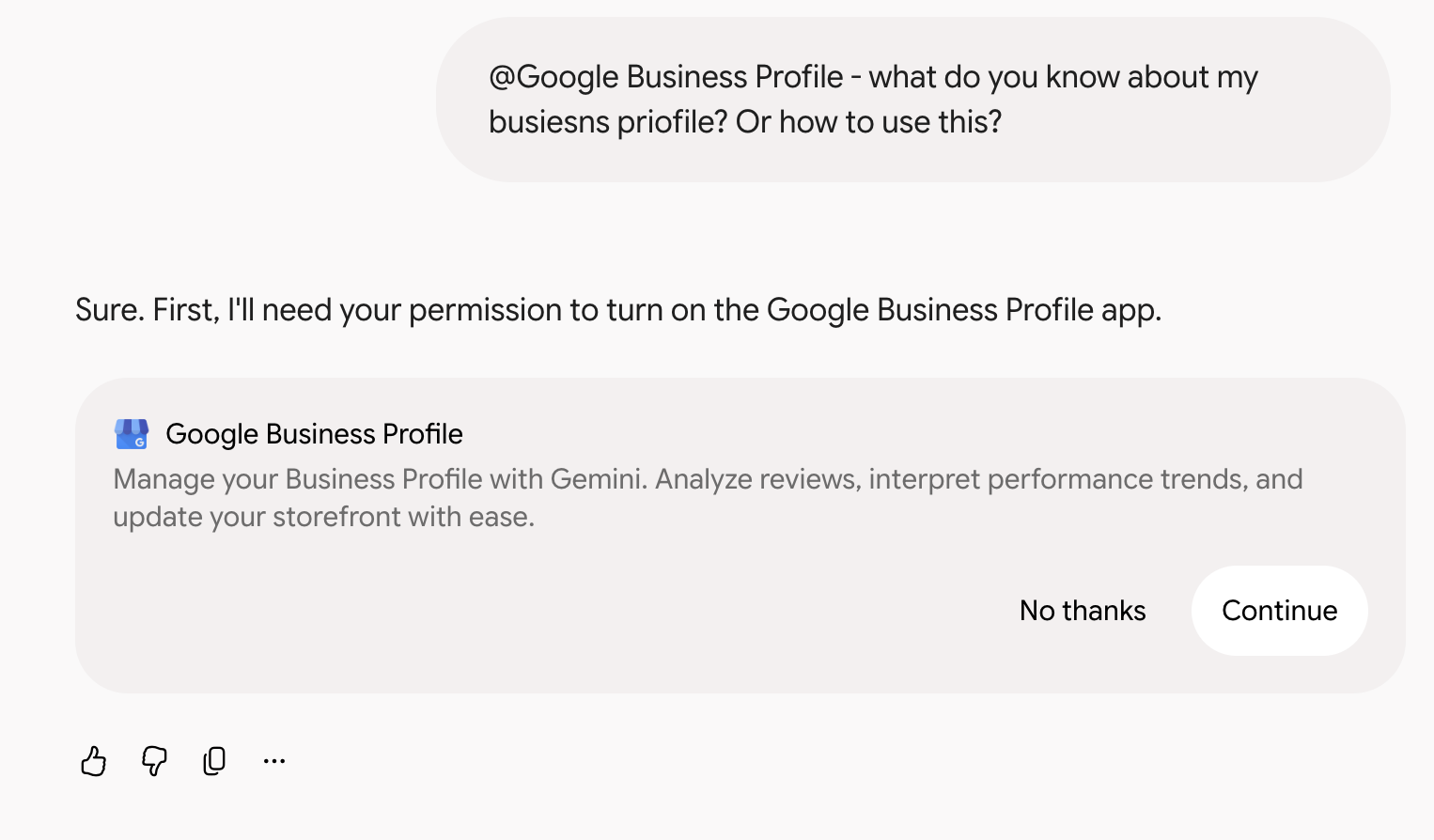
I enabled Business Profile in my account in Latvia on 23 October. My screenshot shows its permission step, not the new business landing page. Access is confirmed in my account; answer quality and the wider hub remain untested.

Watch from 12:02 ↗
Egils's Gemini screenshot showing the Google Business Profile permission card and Continue button
Google · announcement, 20 Oct ↗My screenshot, 23 October 2026, just before enabling the connection. Google Business Profile access and the new business landing page are separate checks.
Practical usageFor business brain builders · 1 prompt to copy · 2 reference examples · 4 steps · partly tested

How this affects business brain builders

For a local business, connect reviews and Search/Maps performance to a concrete weekly task. The broader brand and finance tools need their own test before treating them as your business brain.

Examples, demos and evidence

Each example names its source and whose work it shows. Open the source for the full context.

A bakery owner asks Gemini about her Business Profile

Google's own 1:52 video, 21 October. She checks her 28-day impressions and changes her holiday hours. Gemini asks her to confirm before it changes anything.

Grow with Google · YouTube ↗
A creator connects Business Profile and turns invoices into a sheet

AI Augmented, 21 October, 8:51. Real screen use; the useful part runs from 03:52 to 05:15. It covers Business Profile and invoice PDFs in Drive, not the new landing page.

AI Augmented · YouTube ↗
Open Gemini ↗

Checked 23 Oct 2026: Google requires a personal Google account associated with exactly one verified Business Profile, age 18+, and Keep Activity on. Work/school accounts and accounts managing multiple verified profiles are excluded. Google now lists the connection wherever the Gemini web app is supported; I enabled it in my own account in Latvia. See Business Profile requirements and eligible businesses. The new business landing page and each other connected app have separate rollout and eligibility conditions.

Partly tested
Review my profile (Gemini web app, eligible Business Profile account)
@Google Business Profile Summarize the three most common themes in my recent customer reviews and show my top search keywords for the last month. Separate what the profile data shows from your interpretation. Suggest three improvements and draft one review reply for me to review.
  1. Use the personal Google account that manages your one verified Business Profile. In Gemini on the web, type @Google Business Profile and follow the connection prompt.
  2. Ask for recent review themes and last month's search keywords. Compare the answer with the actual Business Profile data.
  3. Draft one reply or profile improvement. Review it before making a live change.
  4. Check the new business landing page and brand tools separately. Connecting Business Profile does not prove the whole hub is available.

Result: 23 October: I enabled the Google Business Profile app in my account in Latvia. The screenshot records its permission step. I have not yet tested its review analysis, performance answers or profile changes, and have not confirmed the broader new business landing page.

Is this only for local businesses?

The Business Profile connection is. Google's eligibility rules cover businesses customers can visit or that travel to customers, and exclude online-only businesses. The broader 20 October Gemini announcement also covers brand, finance and other apps; Google does not state that every one of those requires a Business Profile.

Is Business Profile itself a new release this week?

No. Google was already promoting the connection in its June webinar announcement. This week's announcement is the broader business landing page and tools. My 23 October setup is a new access check, not a new product launch.

Is there any social discussion?

In an older LinkedIn discussion, imFORZA argues that updating a profile by chat could remove the small obstacles that make owners postpone maintenance, and asks which task owners trust it with first. It is an opinion about the Business Profile connection, not a hands-on review of the new hub. The public view does not expose an exact comment date. A 23 October search did not yield an X review of the new landing page that I could verify.

What others are saying3 voices from Cursive Media, 316 Strategy Group and Aivy
Aivy article: New Gemini tools for small business: what's worth trying

Calls brand styling the easiest and lowest-risk feature to try, and says to treat financial output as a first look, not as your books. The author's company sells Xero integration services.

Monika Tantau, Aivy · 21 Oct 2026 ↗

05 / 06

ChatGPT this week: cache, agents, locked chats

OpenAIRecap

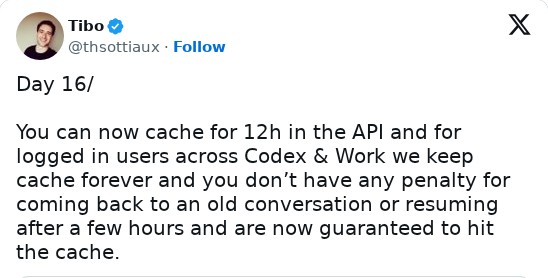
OpenAI ships something almost every day. For a business brain, the most useful change this week is persistent caching in Codex and Work. Logged-in Codex and Work users now get indefinite cache retention and guaranteed cache hits when returning to old conversations. The API also supports 12-hour prompt caching.

Why it matters: a business brain lives in long threads you come back to. Without a cache hit, the whole history is processed again and counts against your usage. OpenAI's Codex lead announced the change on 20 October, US time.

The same week, GPT-6 Pro started splitting a chat task across parallel agents you can follow, Slides became a shared workspace with export to PowerPoint, ChatGPT learned to read your open tabs in Chrome, and locked chats came to every plan, Free included.

Watch from 14:38 ↗
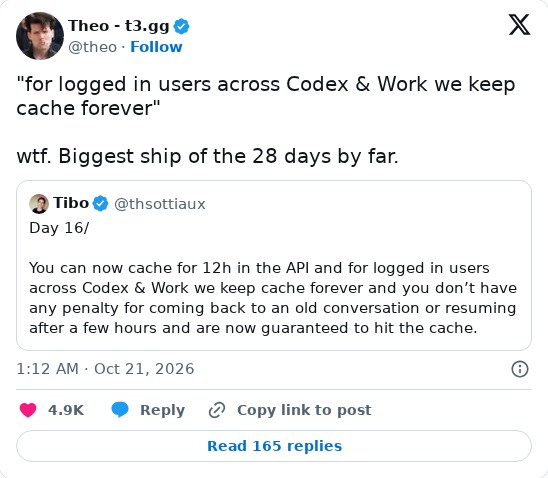
Tibo Sottiaux on X: cache for 12 hours in the API, kept forever for logged-in Codex and Work users
Tibo Sottiaux on X · 20 Oct ↗OpenAI's Codex lead, quoting the 12-hour API caching announcement.
Practical usageFor business brain builders · 1 prompt to copy · 1 reference examples · comparison table · 4 steps · not tested yet

How this affects business brain builders

Long business brain threads in Codex and Work are now cheap to come back to, so you can keep one thread per project instead of pasting the same context again.

Examples, demos and evidence

Each example names its source and whose work it shows. Open the source for the full context.

ChatGPT reads a set of open tabs in Chrome

The AI Advantage, 16 October, 7:19. A hands-on look at asking questions across open tabs. I found no good third-party demo of the GPT-6 Pro parallel agents yet.

The AI Advantage · YouTube ↗

Checked 22 Oct 2026: persistent cache for logged-in Codex and Work users; 12-hour prompt caching in the API. GPT-6 Pro parallel agents: eligible Pro. Slides in Space: eligible Pro, Business and Enterprise. Locked chats: all plans including Free. ChatGPT in Chrome: I found no plan wording from OpenAI itself. No EEA limit is stated for these; Dots for Pro excluded the EEA at launch.

Not tested yet
Three parallel tracks, one decision page (GPT-6 Pro, eligible Pro)
Split this question into three parallel tracks: what customers say, what competitors do, and what my own notes say. For each track, return findings with a source and a confidence level. Then merge them into one page: the decisions I need to make, and where the tracks disagree.
  1. Keep one long Codex or Work thread per project and return to it, instead of starting fresh with the same context.
  2. Move client, HR and finance conversations into locked chats so they stay out of history, search and regular memory.
  3. If you try ChatGPT in Chrome, start with read-only questions about open tabs. Hidden instructions in web pages are a known risk when it acts for you.
  4. On Pro, run the three-track prompt and check which agent actually finished its part.
What ChatGPT shippedDateWho gets it
Persistent caching in Codex and Work; 12-hour prompt caching in the API20 OctLogged-in Codex and Work users; API
GPT-6 Pro: faster, better tool use, parallel agents you can follow and open16 OctEligible Pro
Slides in Space: edit together, comment, present; export to PowerPoint, PDF or Google Slides16 OctEligible Pro, Business, Enterprise
Locked chats: hidden from history, pins and search; new messages don't update your regular memory20 OctAll plans, Free included
ChatGPT in Chrome: Chat looks across open tabs, Work can act in them15 OctPlan wording not published by OpenAI
Edit earlier messages in a thread18 OctDesktop app
GPT-Live-1.1 and new voices15 OctAll users; voices vary by region
Sites: no fixed limit on how many you create15 OctPlus, Pro
Dot widget on the iOS home screen16 OctDots users

Where is the cache change documented?

The API changelog documents 12-hour caching. The Codex and Work change was announced by OpenAI's Codex lead on X on 20 October.

Where do the other changes come from?

ChatGPT release notes, locked chats, GPT-6 Pro and ChatGPT in Chrome.

What others are saying3 voices from X, RuntimeWire and TechRepublic

06 / 06

Gemini Notebook, formerly NotebookLM: what people really do with it

GoogleRecap

NotebookLM began as Project Tailwind at Google I/O in May 2023. Audio Overviews made it famous in September 2024: two AI hosts discussing your sources. Video Overviews, mobile apps, Deep Research and a cloud computer for each notebook followed. On 16 July 2026 Google renamed it Gemini Notebook and said it is used by more than 30 million people and over 600,000 organizations.

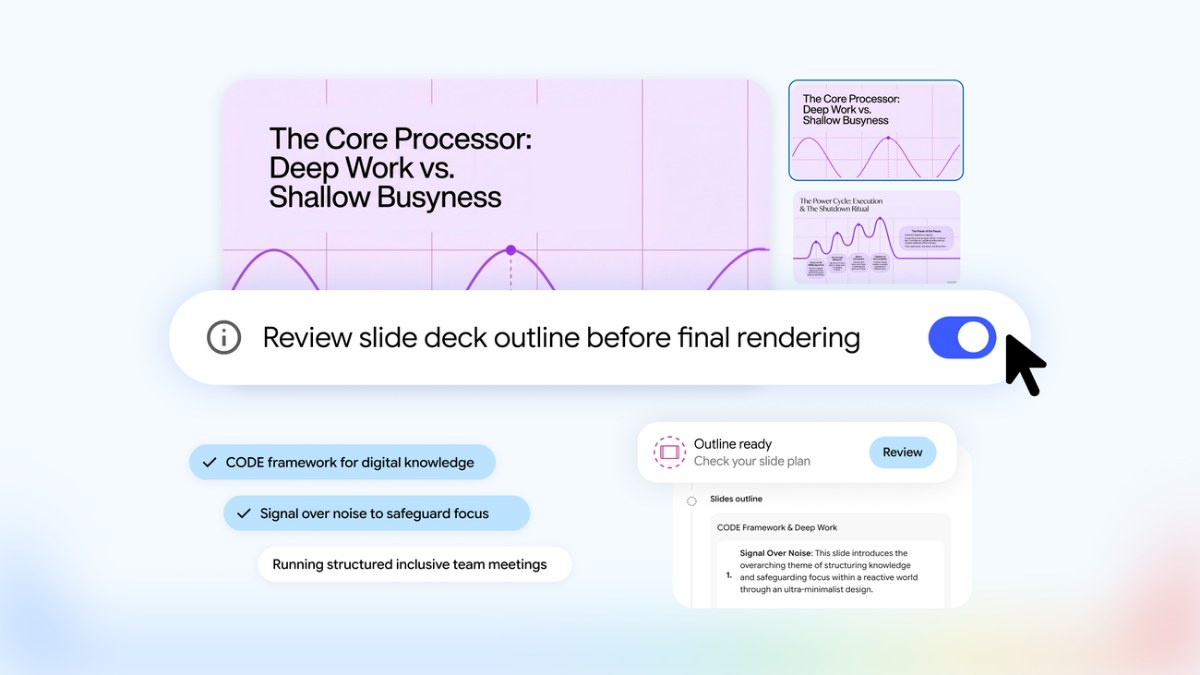
This week's update: before it generates slides or a Video Overview, you can review the outline or the video's producer notes and give feedback. It started rolling out on 16 October to personal and Workspace accounts.

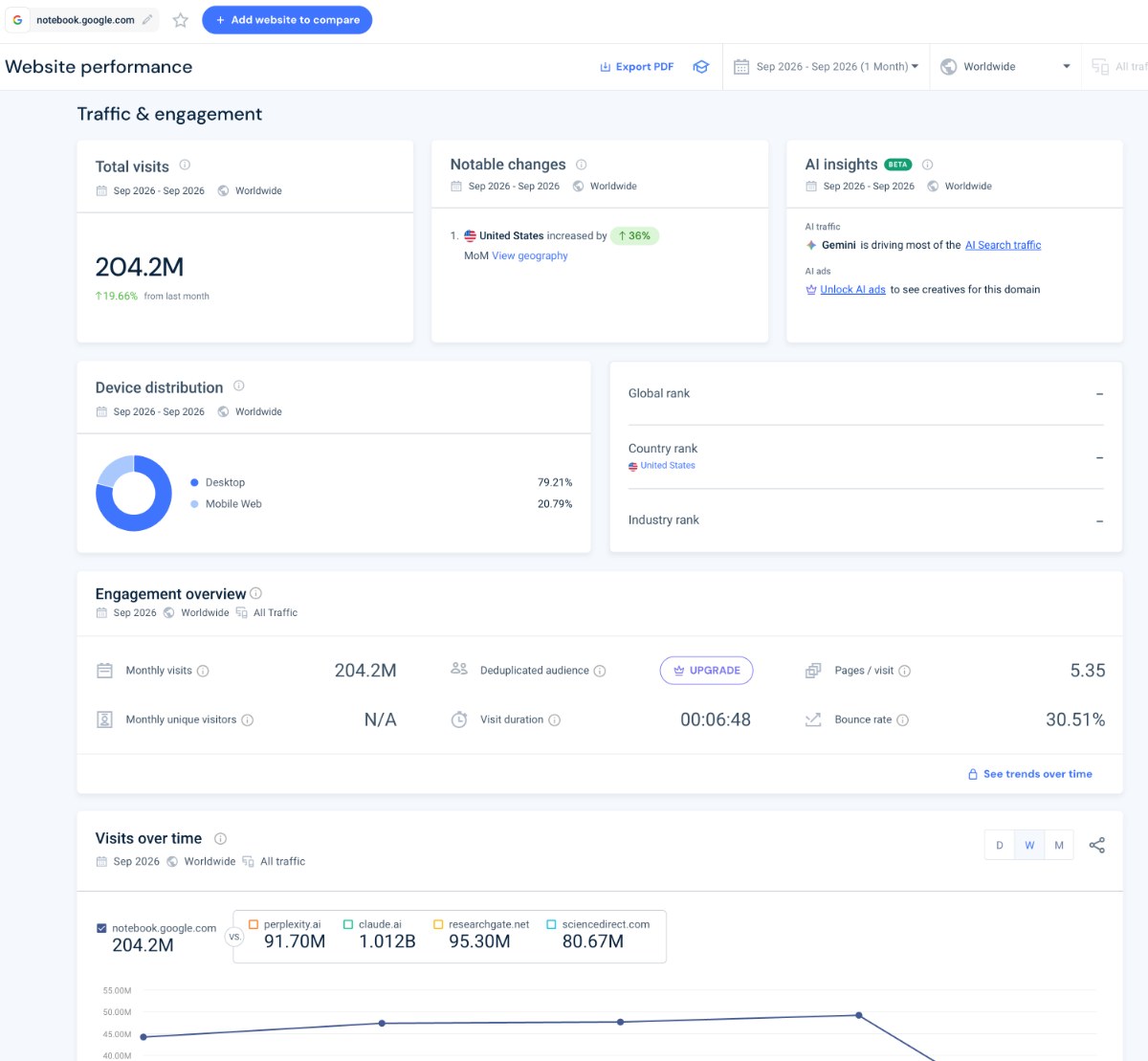
Similarweb estimates 204.2 million visits in September, up 19.66% on August, mostly long desktop sessions. Google's own examples are researchers, students and meeting notes. For a business brain it is the place to teach from a fixed set of sources, while the business brain keeps memory, decisions and actions.

Watch from 15:51 ↗
Google's image of the Review slide deck outline toggle in Gemini Notebook
Google · co-create slides and videos, 19 Oct ↗Google's own image of the new review step. Workspace rollout started 16 October and can take up to 15 days (details).
Practical usageFor business brain builders · 1 prompt to copy · 4 reference examples · 2 tables · 4 steps · not tested yet

How this affects business brain builders

Let the business brain prepare a clean pack of sources, use Gemini Notebook to teach from it, and bring the questions and decisions back into the business brain.

Examples, demos and evidence

Each example names its source and whose work it shows. Open the source for the full context.

Similarweb website performance for notebook.google.com, September 2026: 204.2M visits, 79.21% desktop, 6:48 visit duration
September 2026 in Similarweb

My Similarweb screenshot. Third-party estimates, not Google data. For comparison in the same month: claude.ai 1.012 billion, ResearchGate 95.3 million, Perplexity 91.7 million visits. The old notebooklm.google.com address now redirects and is listed separately.

Similarweb · notebook.google.com ↗
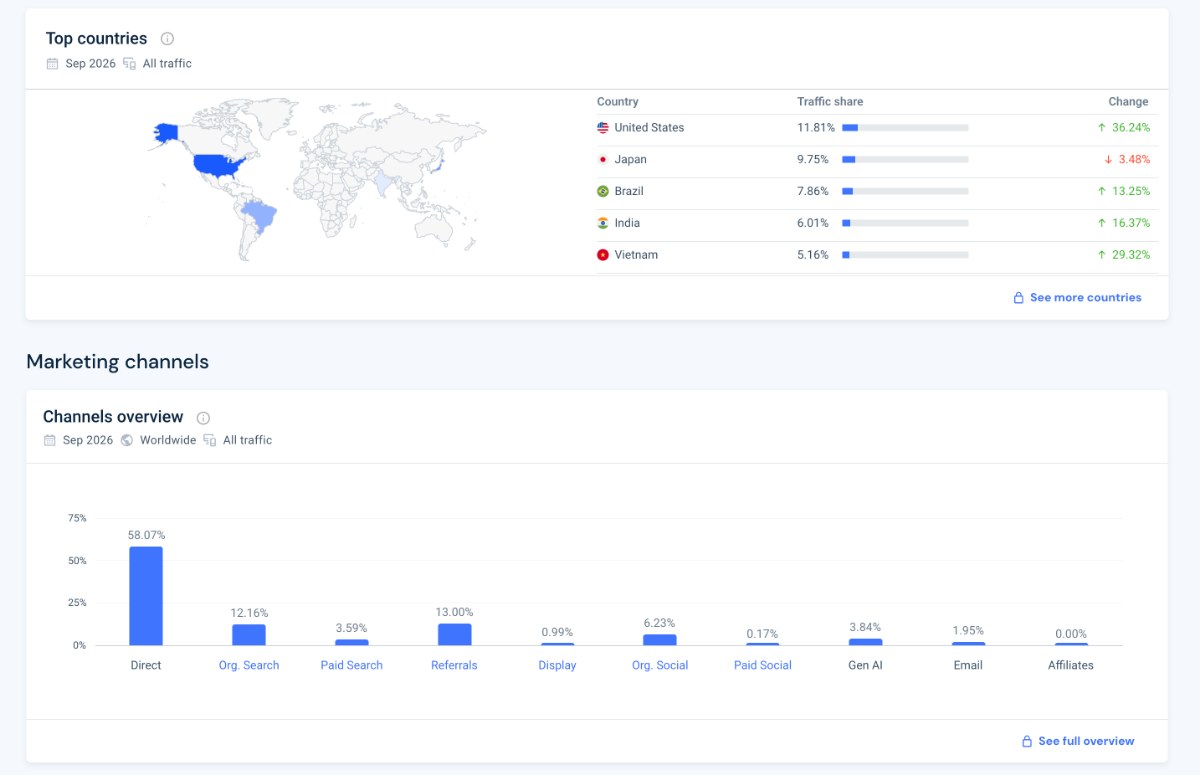
Similarweb top countries and marketing channels for notebook.google.com, September 2026
Where the visits come from

Top countries: US 11.8%, Japan 9.8%, Brazil 7.9%, India 6.0%, Vietnam 5.2%. 58% of visits are direct. My reading, not proven: research and study use, with a back-to-school jump in September.

Similarweb · notebook.google.com ↗
The best overview of what each tool is for

Jeff Su, 17 March 2026, 20:30. Ranks every Studio tool and shares prompt templates. Sponsored by HubSpot.

Jeff Su · YouTube ↗
Business data in a notebook

Helena Liu, 19 June 2026, 31:01. Uses the code-running notebooks on spreadsheets: ad returns, churn and support tickets.

Helena Liu · YouTube ↗
Open Gemini Notebook ↗

Checked 22 Oct 2026: Latvia is on the supported list. The review step reaches all Workspace customers, Workspace Individual and personal accounts. Limits depend on the plan: 100 to 500 notebooks and 50 to 600 sources per notebook, each source up to 500,000 words or 200 MB. Audio Overviews speak Latvian since April 2025.

Not tested yet
Teaching outline with a handback block (Gemini Notebook chat)
Using only the selected sources, create a slide-deck outline for [audience] that teaches [method] in [N] slides. For every claim, cite the source. Then list: (1) statements in my sources that conflict, (2) questions a client would ask that my sources cannot answer, (3) three decisions I need to make. Format the last part as a "Handback" block I can paste into my business system.
  1. Let your business brain gather 5 to 20 clean files: the method, FAQs and an anonymised case. Leave sensitive data out.
  2. Load them into one notebook. Generate slides or a video with Review on, and paste your style rules in as feedback.
  3. Share the notebook with named people, not a public link.
  4. Bring client questions, gaps and decisions back into the business brain's log and FAQ.
WhenWhat changed
May 2023Shown as Project Tailwind at Google I/O
Jul 2023Renamed NotebookLM, for a small group in the US
Jun 2024Available in over 200 countries and territories
Sep 2024Audio Overviews: two AI hosts discuss your sources
Dec 2024Talk to the hosts; a paid Plus tier for businesses
Apr 2025Audio Overviews in 50+ languages, Latvian included
May 2025Android and iOS apps
Jul 2025Video Overviews: narrated slides from your sources
Nov 2025Deep Research; Sheets, Word and image sources
Apr 2026Notebooks inside the Gemini app
Jun 2026A cloud computer per notebook that runs code; export to PowerPoint, Word, Excel and Markdown
Jul 2026Renamed Gemini Notebook
Sep 2026Voice conversations with a notebook, an in-app recorder, one-minute videos
Oct 2026Review the outline before slides or a video are generated

Where it fits in a business brain

My proposal for dividing the work, not a vendor recommendation.

JobGemini NotebookYour business brain
Answer from a fixed set of sources, with citationsStrongPossible
Turn sources into audio, video, slides and quizzesStrongNeeds extra tools
Memory across projects and monthsOne notebook at a timeStrong
Your own files on your own machineUploaded to GoogleStrong
Actions in email, CRM and other toolsNoStrong
SetupNoneYours to build

How accurate is it?

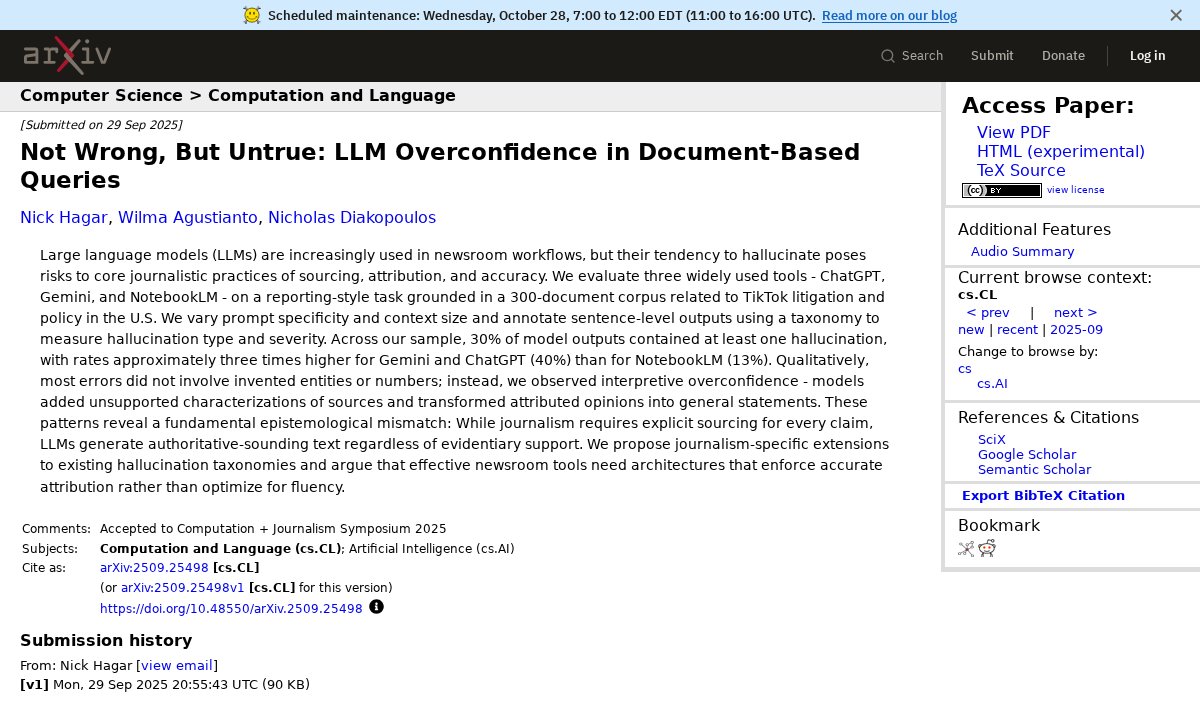
In a legal test with 300 documents, 13% of NotebookLM answers had at least one hallucination, against 40% for ChatGPT and Gemini (arXiv, Sep 2025). Most errors were overconfident interpretation.

Is my content used for training?

Google says personal accounts are not used to directly train its models unless you send feedback, which people review and keep for up to 3 years. Workspace content is not reviewed by people or used for training (privacy).

Can my business system talk to it?

Personal accounts have no public API. Google offers an Enterprise API only.

What others are saying3 voices from MIT Technology Review, YouTube and arXiv

In brief

Also shipped

  • Two changes that can break your own agents. Claude API version 2026-10-21 returns an error for temperature, top_p and top_k, even at default values, so check your scripts before upgrading the SDK. And from 20 November OpenAI requires its approval for model routers and AI gateways, so check yours if your business brain reaches OpenAI through one.

    Claude API · migration guide ↗
  • Gemini Notebook admins can now control external sharing in detail, including trusted domains, and teachers using Google Classroom get insight summaries (from 19 Oct).

    Google Workspace Updates ↗